We track the progress of a carbon removal project through our certification framework. This roadmap moves from a preliminary assessment of eligibility toward full certification under the Puro Standard.
The facility has successfully completed the preliminary assessment conducted by the Puro team, meeting the minimum criteria for listing as a future supplier on Puro.earth.
The facility has passed the third-party facility audit, verifying compliance with the methodology, as well as output audit, verifying the net volume of removed carbon. The facility has been issued CORCs and continues its removal operations, as well as monitoring and reporting to Puro.earth.
Development status
We monitor a facility’s maturity as it moves toward industrial-scale operations. This status identifies whether a project is in development, under construction, or actively removing carbon from the atmosphere.
The feasibility study is ongoing. The Supplier is still collecting data to prove the concept.
The front-end engineering and design are ready and methodology compliant. There is a clear plan to monitor and measure. The LCA is up to the needed quality level or subject to small improvements. The technology has been used before. There are commercial agreements with the relevant business partners of the facility.
The facility is fully funded and is being implemented. Relevant infrastructure is being built.
The facility is operating as a carbon removal facility.
information
More about Yarram
Radial Timber Australia (RTA), a family-owned timber company based in Yarram, Victoria, specializes in sustainable cultivation, milling, and distributing durable Victorian hardwood products such as decking and weatherboards. Committed to environmental responsibility, RTA sources regrowth or plantation-grown timber and employs a circular economy model to minimize waste and maximize resource recovery.
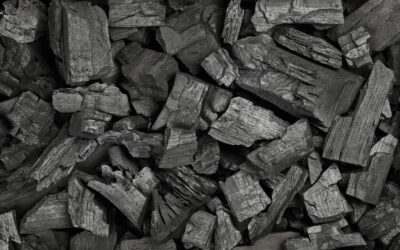
In 2024, RTA enhanced its sustainability efforts by investing in Earth Systems' CPP500 pyrolysis technology to convert wood waste from their operations—sawdust, shavings, peelings, and scrap—into biochar. This biochar, produced at an estimated 500 tons annually, is used as a soil amendment within RTA’s plantations, improving soil health and reducing waste. The facility began operations in July 2024 and is scaling up to full capacity, with plans to add two more units by 2026.
The project's financial sustainability hinges on carbon credit sales under the Puro.Earth standard, as the regional biochar market develops. Initially, biochar is applied within RTA’s plantations, supporting a closed-loop approach that reduces emissions, enhances soil quality, and promotes renewable energy. By integrating sustainable timber production with biochar-based carbon sequestration, RTA is pioneering climate-positive forestry, advancing ecological resilience and economic viability through responsible land management.
Biochar improves the soil structure, water retention, and nutrient availability. It reduces the need for chemical fertilizers. Microbial activity also increases, boosting soil vitality. The project creates skilled employment and supports the regional economy. As the first of its kind in Australia, it also builds capacity for long-term innovation in carbon removal and partnerships with universities and soil scientists to expand research on biochar’s long-term benefits
sdgs
Sustainable development goals
Only listed sustainable development goals (SDGs) have been assessed according to the Puro standard SDG Assessment Requirements and validated and verified by a VVB.
Take urgent action to combat climate change and its impacts

Puro.earth provides the institutional-grade infrastructure and global ecosystem required to navigate an evolving industry with confidence. Through rigorous standards,…