We track the progress of a carbon removal project through our certification framework. This roadmap moves from a preliminary assessment of eligibility toward full certification under the Puro Standard.
The facility has successfully completed the preliminary assessment conducted by the Puro team, meeting the minimum criteria for listing as a future supplier on Puro.earth.
The facility has passed the third-party facility audit, verifying compliance with the methodology, as well as output audit, verifying the net volume of removed carbon. The facility has been issued CORCs and continues its removal operations, as well as monitoring and reporting to Puro.earth.
Development status
We monitor a facility’s maturity as it moves toward industrial-scale operations. This status identifies whether a project is in development, under construction, or actively removing carbon from the atmosphere.
The feasibility study is ongoing. The Supplier is still collecting data to prove the concept.
The front-end engineering and design are ready and methodology compliant. There is a clear plan to monitor and measure. The LCA is up to the needed quality level or subject to small improvements. The technology has been used before. There are commercial agreements with the relevant business partners of the facility.
The facility is fully funded and is being implemented. Relevant infrastructure is being built.
The facility is operating as a carbon removal facility.
information
More about Enable Earth, Chiang Rai, 1
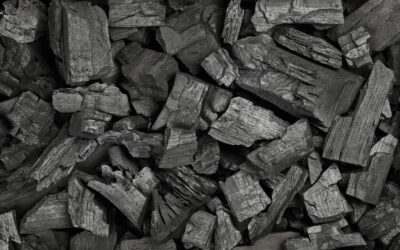
Enable Earth’s Facility in Chiang Rai, Thailand removes carbon dioxide from the atmosphere by converting agricultural residues into biochar through a controlled pyrolysis process. Agricultural residues such as animal-feed corn peels, small cobs, and stalks - which would otherwise be left to decompose or openly burned—are collected and processed in a high-temperature, oxygen-limited environment. This process converts a portion of the biomass carbon into a stable, solid form known as biochar.
During the process, gases released from the biomass are captured and reused on site. A portion of this energy is used to dry incoming feedstock, reducing external energy demand and improving overall efficiency.
The facility is newly built with continuous monitoring systems to ensure safe operation, accurate measurement, and compliance with the Puro Standard. The project also helps reduce open burning of agricultural residues, improving air quality and supporting more sustainable agricultural practices in the region.
Biochar produced is primarily used as a soil improvement medium, typically blended with compost or other organic amendments prior to application on agricultural fields. This approach enhances the agronomic effectiveness of biochar by improving nutrient availability, soil structure, and water retention, while ensuring the stable carbon remains stored in soils over long timeframes.
Beyond carbon removal, the project delivers significant environmental, social, and economic co-benefits at both local and regional levels.
Environmentally, the project directly addresses open burning of agricultural residues, one of the primary contributors to PM2.5 air pollution in Northern Thailand. By providing a viable alternative to burning, the project helps reduce particulate matter, improve local air quality, and mitigate associated health risks for rural communities. In addition, the controlled pyrolysis process avoids uncontrolled methane and nitrous oxide emissions that would otherwise occur from decomposition or burning of biomass.
The biochar produced contributes to long-term soil health improvement. When applied to agricultural land, biochar enhances soil structure, increases water retention, and supports microbial activity. This leads to improved resilience of farming systems to drought and climate variability, while potentially reducing reliance on synthetic fertilizers. As a result, farmers can benefit from more stable yields and lower input costs over time.
Socially, the project creates new income opportunities for local stakeholders. Farmers and local operators can generate additional revenue from agricultural residues that previously had little or no economic value. The project also creates green jobs in biomass collection, processing, and facility operations, contributing to rural economic development.
Economically, the project establishes a circular value chain for agricultural residues, transforming waste into valuable products such as biochar and carbon removal credits. This model supports the transition toward low-emission agricultural systems and enables participation in emerging carbon markets. Over time, the approach is designed to be scalable and replicable across Southeast Asia, particularly in regions facing similar challenges with agricultural burning and biomass waste management.
Finally, the project contributes to broader climate and sustainability goals and sustainable food production systems, by promoting climate-resilient agriculture, reducing emissions, and improving land productivity in a sustainable manner.
SDGs
Sustainable development goals
Only listed sustainable development goals (SDGs) have been assessed according to the Puro standard SDG Assessment Requirements and validated and verified by a VVB.
Take urgent action to combat climate change and its impacts
Puro.earth provides the institutional-grade infrastructure and global ecosystem required to navigate an evolving industry with confidence. Through rigorous standards,…