We track the progress of a carbon removal project through our certification framework. This roadmap moves from a preliminary assessment of eligibility toward full certification under the Puro Standard.
The facility has successfully completed the preliminary assessment conducted by the Puro team, meeting the minimum criteria for listing as a future supplier on Puro.earth.
The facility has passed the third-party facility audit, verifying compliance with the methodology, as well as output audit, verifying the net volume of removed carbon. The facility has been issued CORCs and continues its removal operations, as well as monitoring and reporting to Puro.earth.
Development status
We monitor a facility’s maturity as it moves toward industrial-scale operations. This status identifies whether a project is in development, under construction, or actively removing carbon from the atmosphere.
The feasibility study is ongoing. The Supplier is still collecting data to prove the concept.
The front-end engineering and design are ready and methodology compliant. There is a clear plan to monitor and measure. The LCA is up to the needed quality level or subject to small improvements. The technology has been used before. There are commercial agreements with the relevant business partners of the facility.
The facility is fully funded and is being implemented. Relevant infrastructure is being built.
The facility is operating as a carbon removal facility.
information
More about Aperam BioEnergia
Aperam BioEnergia is a Brazilian leader in renewable forestry-based solutions, operating one of the world’s largest integrated charcoal production systems for the steel industry. Located in the northeast region of Minas Gerais, Brazil, the company manages approximately 156,000 hectares of FSC-certified planted and native forests, combining renewable energy production, biodiversity conservation, and long-term socioeconomic development for local communities.
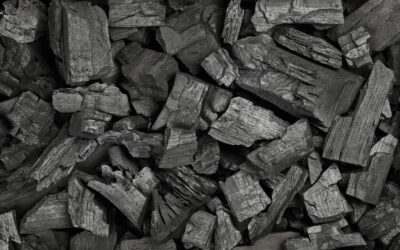
For decades, Aperam BioEnergia has transformed renewable eucalyptus biomass into high-quality charcoal with strict emissions control, supplying approximately 420,000 tonnes per year to the steel sector. Building on this extensive operational expertise, the company launched its first biochar carbon removal initiative to transform previously unused forestry residues into a durable climate solution.
Through pyrolysis, residual biomass that would otherwise decompose and release greenhouse gases is converted into biochar and applied to soils, where it serves as a long-term carbon sink while improving soil structure, water retention, nutrient availability, and overall soil health. Most of the biochar produced is applied within Aperam BioEnergia’s own forestry operations to support forest productivity and soil regeneration, while part of the production is donated to local farmers, contributing to sustainable agricultural development in the region.
The project is integrated into a circular production model in which forestry residues are fully valorized. In addition to biochar production, Aperam BioEnergia captures and processes vegetal tar generated during the pyrolysis process, transforming it into bio-oil for commercial applications and further reducing waste across the operation.
Beyond carbon removal, the initiative generates significant environmental and social benefits throughout the region. Aperam BioEnergia’s operations support biodiversity conservation, renewable resource management, and rural economic development while generating more than 2,000 direct jobs, in addition to a large network of local service providers and contractors.
Carbon removal revenues play a key role in enabling the expansion of Aperam BioEnergia’s biochar operations and accelerating the transition toward low-carbon forestry and industrial systems. With existing industrial infrastructure, vertically integrated forestry operations, and decades of biomass processing expertise, the company is uniquely positioned to scale biochar carbon removals with high operational reliability and environmental integrity.
Currently, Aperam BioEnergia has the capacity to produce approximately 70,000 tonnes of carbon removals annually and plans to continue expanding its biochar operations in the coming years, strengthening its contribution to climate mitigation, sustainable forestry, and regional development.
Aperam BioEnergia’s Biochar Carbon Removal Project contributes to multiple United Nations Sustainable Development Goals (SDGs) by combining climate action, renewable forestry management, circular economy practices, and regional socioeconomic development.
SDG 3 – Good Health and Well-Being The project helps reduce environmental impacts associated with improper biomass disposal while contributing to healthier soils and improved agricultural productivity in local communities.
SDG 5 – Gender Equality Aperam BioEnergia promotes inclusive economic development by expanding opportunities for women across forestry, industrial, and agricultural activities linked to the biochar value chain.
SDG 6 – Clean Water and Sanitation Biochar improves soil water retention and supports more efficient water use, contributing to healthier soils and sustainable watershed management.
SDG 7 – Affordable and Clean Energy The pyrolysis process also generates vegetal tar, which is processed into bio-oil for commercial applications, supporting renewable and bio-based industrial solutions.
SDG 8 – Decent Work and Economic Growth The company generates more than 2,000 direct jobs, in addition to supporting local contractors and regional economic development.
SDG 9 – Industry, Innovation and Infrastructure The project applies large-scale pyrolysis and biomass valorization technologies to develop resilient, low-carbon industrial solutions.
SDG 11 – Sustainable Cities and Communities By responsibly utilizing forestry residues, the initiative reduces waste generation and promotes more sustainable regional development.
SDG 12 – Responsible Consumption and Production The project follows circular economy principles by transforming forestry residues into valuable products such as biochar and bio-oil.
SDG 13 – Climate Action Biochar stabilizes carbon from biomass and stores it in soils for long periods, contributing directly to climate change mitigation and carbon removal.
SDG 15 – Life on Land Biochar improves soil fertility, microbial activity, and forest productivity while supporting sustainable land management and ecological restoration.
SDG 17 – Partnerships for the Goals The project reflects collaboration between industry, local communities, and sustainability stakeholders to advance scalable climate solutions and long-term sustainable development.
SDGs
Sustainable development goals
Only listed sustainable development goals (SDGs) have been assessed according to the Puro standard SDG Assessment Requirements and validated and verified by a VVB.
Take urgent action to combat climate change and its impacts
Puro.earth provides the institutional-grade infrastructure and global ecosystem required to navigate an evolving industry with confidence. Through rigorous standards,…