We track the progress of a carbon removal project through our certification framework. This roadmap moves from a preliminary assessment of eligibility toward full certification under the Puro Standard.
The facility has successfully completed the preliminary assessment conducted by the Puro team, meeting the minimum criteria for listing as a future supplier on Puro.earth.
The facility has passed the third-party facility audit, verifying compliance with the methodology, as well as output audit, verifying the net volume of removed carbon. The facility has been issued CORCs and continues its removal operations, as well as monitoring and reporting to Puro.earth.
Development status
We monitor a facility’s maturity as it moves toward industrial-scale operations. This status identifies whether a project is in development, under construction, or actively removing carbon from the atmosphere.
The feasibility study is ongoing. The Supplier is still collecting data to prove the concept.
The front-end engineering and design are ready and methodology compliant. There is a clear plan to monitor and measure. The LCA is up to the needed quality level or subject to small improvements. The technology has been used before. There are commercial agreements with the relevant business partners of the facility.
The facility is fully funded and is being implemented. Relevant infrastructure is being built.
The facility is operating as a carbon removal facility.
information
More about Biofine – Maine Phase I
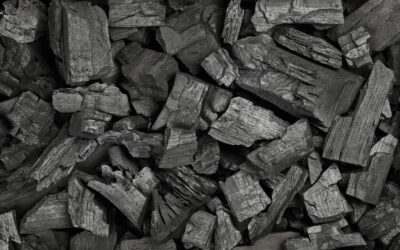
The Biofine - Maine Phase I facility converts a lignin-rich waste by-product from Biofine’s renewable fuel production process into biochar for use as a soil amendment in the northeastern United States. The facility is located in Lincoln, Maine, and represents an important step in scaling integrated biorefinery systems that generate both low-carbon fuels and durable carbon storage products.
The project utilizes a continuous Verenovo slow-pyrolysis reactor operating at temperatures between 450 °C and 550 °C, with residence times of approximately 15 minutes. This process transforms a previously under-utilized lignocellulosic residue, otherwise destined for incineration, into a stable, carbon-rich material capable of sequestering biogenic carbon for hundreds of years.
Produced biochar will be characterized for key environmental and agronomic parameters, including C-content, H/Corg ratio, PAH and heavy-metal concentrations, to ensure compliance with international biochar quality standards. Biofine collaborates with the University of Maine’s Forest Bioproducts Research Institute to optimize soil application practices and assess long-term benefits to soil health.
Through this circular approach, the project diverts waste, reduces emissions, and delivers verified carbon removals while supporting regional sustainability and bioeconomy development in Maine.
Biofine actively supports SDG 13 (Climate Action) by developing low-carbon technologies that reduce greenhouse gas emissions, enhance energy efficiency, and enable a transition toward sustainable, climate-resilient industrial processes aligned with global decarbonization goals.
sdgs
Sustainable development goals
Only listed sustainable development goals (SDGs) have been assessed according to the Puro standard SDG Assessment Requirements and validated and verified by a VVB.
Take urgent action to combat climate change and its impacts

Puro.earth provides the institutional-grade infrastructure and global ecosystem required to navigate an evolving industry with confidence. Through rigorous standards,…