We track the progress of a carbon removal project through our certification framework. This roadmap moves from a preliminary assessment of eligibility toward full certification under the Puro Standard.
The facility has successfully completed the preliminary assessment conducted by the Puro team, meeting the minimum criteria for listing as a future supplier on Puro.earth.
The facility has passed the third-party facility audit, verifying compliance with the methodology, as well as output audit, verifying the net volume of removed carbon. The facility has been issued CORCs and continues its removal operations, as well as monitoring and reporting to Puro.earth.
Development status
We monitor a facility’s maturity as it moves toward industrial-scale operations. This status identifies whether a project is in development, under construction, or actively removing carbon from the atmosphere.
The feasibility study is ongoing. The Supplier is still collecting data to prove the concept.
The front-end engineering and design are ready and methodology compliant. There is a clear plan to monitor and measure. The LCA is up to the needed quality level or subject to small improvements. The technology has been used before. There are commercial agreements with the relevant business partners of the facility.
The facility is fully funded and is being implemented. Relevant infrastructure is being built.
The facility is operating as a carbon removal facility.
information
More about Carbon Hill
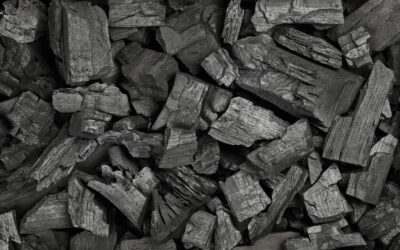
Carbon Hill is a biochar company owned by the Jones family located in Caebardd farm, near Welshpool in mid-Wales, UK. The family, who have been farming for many years, have diversified their operations by leveraging their expertise in biomass and mechanical engineering. Their engineering arm, Woodtek Engineering, designs and manufactures efficient wood chip dryers and feed mechanisms. The company has developed a proprietary pyrolysis thermal combustion system that utilizes new and existing technologies to produce biochar with minimal emissions. The system is operating at Caebardd, but the company has rolled out several pyrolysis units to process waste biomass in the UK and internationally.
Carbon Hill sources two types of waste woody biomass for their biochar production: Tree and hedgerow cuttings and Green Waste Over Size (GWOS) from local parks and gardens. These feedstocks are largely underutilized in the UK and are typically either left to biodegrade or burn, leading to carbon loss. The biochar is applied to agricultural land, including Carbon Hill’s own farm and nearby partner sites, improving soil quality and supporting regenerative practices. Biochar is also used in collaboration with academic partners for research trials, contributing to data generation and validating agronomic benefits.
Renewable energy: Biochar production produces renewable energy as a bi-product.
Green jobs: Biochar production can increase employment and tax revenue in rural areas.
Crop yields: Biochar improves soil health by increasing water retention, nutrient availability, and microbial activity.
Waste management: Biochar can be produced from waste materials such as agricultural waste, wood chips, and sawdust, reducing the amount of waste going to landfills.
Air pollution reduction: Biochar production reduces the amount of greenhouse gases and air pollutants generated by burning biomass waste.
Animal feed: Biochar can be mixed with animal feed to improve the nutritional value, weight gain and reduce the methane emissions from their digestion.
Water purification: Biochar can be used to filter and purify water, removing pollutants and heavy metals.
Concrete production: Biochar can be used as an ingredient in the production of concrete, reducing the amount of cement used, and lowering CO₂ emissions and costs.
sdgs
Sustainable development goals
Only listed sustainable development goals (SDGs) have been assessed according to the Puro standard SDG Assessment Requirements and validated and verified by a VVB.
Take urgent action to combat climate change and its impacts

Puro.earth provides the institutional-grade infrastructure and global ecosystem required to navigate an evolving industry with confidence. Through rigorous standards,…