We track the progress of a carbon removal project through our certification framework. This roadmap moves from a preliminary assessment of eligibility toward full certification under the Puro Standard.
The facility has successfully completed the preliminary assessment conducted by the Puro team, meeting the minimum criteria for listing as a future supplier on Puro.earth.
The facility has passed the third-party facility audit, verifying compliance with the methodology, as well as output audit, verifying the net volume of removed carbon. The facility has been issued CORCs and continues its removal operations, as well as monitoring and reporting to Puro.earth.
Development status
We monitor a facility’s maturity as it moves toward industrial-scale operations. This status identifies whether a project is in development, under construction, or actively removing carbon from the atmosphere.
The feasibility study is ongoing. The Supplier is still collecting data to prove the concept.
The front-end engineering and design are ready and methodology compliant. There is a clear plan to monitor and measure. The LCA is up to the needed quality level or subject to small improvements. The technology has been used before. There are commercial agreements with the relevant business partners of the facility.
The facility is fully funded and is being implemented. Relevant infrastructure is being built.
The facility is operating as a carbon removal facility.
information
More about Fasera Biochar Plant 1
Founded in Australia in 2005, the Fasera Group is a leader in sustainable agricultural carbon sequestration through our managed estates of Australian oil mallees and other eucalypt species to produce: • Eucalyptus oil • Carbon Dioxide Removal Certificates (CORCs) & Australian Carbon Credit Units (ACCUs) • Biochar; • Wood vinegar (a natural herbicide and bio-stimulant).
Our plantations include thousands of hectares of mature mallee trees. Historically, these were difficult and costly to harvest using traditional forestry methods. Fasera has invested in innovative new harvest techniques and equipment, enabling us to harvest mature mallees much more cost-effectively and significantly increasing our oil mallee resources.
The development of coppice regrowth – the increased regrowth of mallee tree biomass after each harvest - has been established as most effective for long term carbon sequestration.
Shearing the trunk at ground level, encourages coppice regrowth leading to increased biomass growth, generating an unending cycle of increasing harvests. This process also results in considerably higher levels of carbon sequestration than if individual trees were left to mature, where carbon retention capacity peaks and then stabilises.
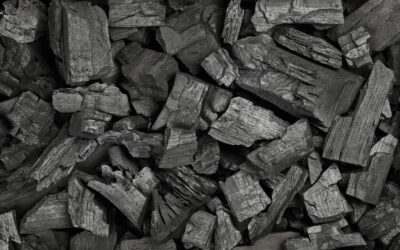
The expansion of Fasera’s mallee oil processing facility and product range continued with the commissioning of a continuous pyrolysis plant in 2022. The plant is co-located with our oil distillery; it processes the spent mallee biomass remaining after the steam distillation to produce eucalyptus oil. At capacity, it will pyrolyse up to 5,000 tonnes of spent biomass to produce about 5,000 m3 of biochar per annum. The heat from the process is recycled and used in the steam distillation process.
The biochar produced is distributed locally as a soil amendment and in ingredient in ruminant animal feed.
Fasera has just completed filling and sealing our first Terrestrial Storage of Biomass chamber on our Canterbury Farm, Kulja, Western Australia. This chamber will generate CORCs under the PURO methodology and is the first chamber at site with the potential to generate 100,000 CORCs.
www.fasera.com
Along with the Carbon Removal the benefits of the Fasera Pyrolysis plant include: • Increased soil health and crop yield from the Fasera biochar • Increased water retention in low rainfall cropping soils • Increased performance in livestock production whilst reducing methane emissions • Fuel and emissions savings in Fasera’s distillation processes • Facilitation of further sustainable forestry practices
SDGs
Sustainable development goals
Only listed sustainable development goals (SDGs) have been assessed according to the Puro standard SDG Assessment Requirements and validated and verified by a VVB.
Take urgent action to combat climate change and its impacts
Puro.earth provides the institutional-grade infrastructure and global ecosystem required to navigate an evolving industry with confidence. Through rigorous standards,…