

Skip to content

Wakefield Biochar Facility 3

By Accend AS

In stock
0
Durability
CORC 100+
Country
United States
Biochar

project milestones

Certification journey

We track the progress of a carbon removal project through our certification framework. This roadmap moves from a preliminary assessment of eligibility toward full certification under the Puro Standard.

The facility has successfully completed the preliminary assessment conducted by the Puro team, meeting the minimum criteria for listing as a future supplier on Puro.earth.

The facility has passed the third-party facility audit, verifying compliance with the methodology, as well as output audit, verifying the net volume of removed carbon. The facility has been issued CORCs and continues its removal operations, as well as monitoring and reporting to Puro.earth.

Development status

We monitor a facility’s maturity as it moves toward industrial-scale operations. This status identifies whether a project is in development, under construction, or actively removing carbon from the atmosphere.

The feasibility study is ongoing. The Supplier is still collecting data to prove the concept.

The front-end engineering and design are ready and methodology compliant. There is a clear plan to monitor and measure. The LCA is up to the needed quality level or subject to small improvements. The technology has been used before. There are commercial agreements with the relevant business partners of the facility.

The facility is fully funded and is being implemented. Relevant infrastructure is being built.

The facility is operating as a carbon removal facility.

information

More about Wakefield Biochar Facility 3

Situated in Fitzgerald, Georgia, Wakefield BioChar Facility 3 (WB3) operates in seamless collaboration with a major regional sawmill to deliver highly efficient, closed-loop carbon removal.

In 2022, the sawmill modernized its operations by installing state-of-the-art Continuous Drying Kilns. Operating on a closed-loop system fueled entirely by the mill's own certified sawdust, these kilns provide the heat needed to dry lumber while simultaneously creating a premium, highly stable biochar.

Prior to Wakefield BioChar’s intervention the biochar was transported to a sister facility and entirely combusted for energy. Today, carbon finance ensures this material is permanently sequestered.

The biochar produced at Fitzgerald is specifically targeted for application across local pasturelands and agricultural soils. When integrated into pastures, it fosters beneficial microbial activity, improves soil aeration, and dramatically reduces nutrient runoff.

Most importantly, the revenue generated from Puro.earth carbon removal certificates allows Wakefield BioChar to heavily subsidize the cost of this premium soil amendment for regional farmers.

In an area that has historically struggled with some of the highest agricultural bankruptcy rates in the United States, providing affordable access to yield-boosting, drought-resistant biochar builds essential financial stability for family farms.

The application of biochar across Wakefield BioChar’s facilities delivers vital agricultural benefits that transform exhausted soils into thriving ecosystems.

When mixed into farmlands, biochar acts as a natural conditioner that improves soil breathing and boosts beneficial bacteria.

Additionally, biochar acts like a microscopic sponge, vastly increasing the soil's ability to hold moisture in a region historically prone to severe droughts.

By helping soil retain water much more efficiently, the biochar provides a vital shield for farmers against unpredictable weather.

Beyond the fields, the project generates crucial socio-economic benefits that drive real community revitalization.

Wakefield BioChar directly tackles economic hardships by supporting close to 100 green jobs in economically disadvantaged areas, most notably in Valdosta, Georgia.

The U.S. government officially classifies Valdosta as an "opportunity zone," as the city battles a severe poverty rate of 32.2% alongside systemic issues like food insecurity.

By anchoring its carbon removal operations here, Wakefield BioChar turns climate action into a direct engine for local wealth-building, empowering the regional workforce and fostering long-term economic stability.

Finally, the carbon credit financial model provides a critical lifeline to local farmers by heavily subsidizing the cost of this biochar.

This economic support is incredibly important; between 2010 and 2019, Georgia suffered from one of the highest rates of farm bankruptcies in the nation.

By leveraging carbon markets to distribute a product that naturally boosts crop yields, the project relieves financial pressures and helps secure the livelihoods of local family farms.

SDGs

Sustainable development goals

Only listed sustainable development goals (SDGs) have been assessed according to the Puro standard SDG Assessment Requirements and validated and verified by a VVB.

Take urgent action to combat climate change and its impacts

Climate action

corc issuance

Facility historical CORC issuance

Year CORCs
2024 406
2025 752

related content

More about our CDR infrastructure

  • Demand

Buy carbon credits

Puro.earth provides the institutional-grade infrastructure and global ecosystem required to navigate an evolving industry with confidence. Through rigorous standards,…
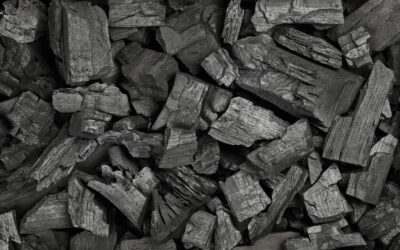
Close up background texture of many black lump charcoal pieces ready for barbecue grill, elevated top view, directly above
  • Supply

Certify carbon credits

As your certification partner, Puro.earth provides the trusted standards, global ecosystem, and digital tools needed to unlock capital and…

  • Infrastructure

Infrastructure

Puro.earth provides the rigorous standards, transparent registry, and digital tools required to turn durable carbon removal into a tangible,…