We track the progress of a carbon removal project through our certification framework. This roadmap moves from a preliminary assessment of eligibility toward full certification under the Puro Standard.
The facility has successfully completed the preliminary assessment conducted by the Puro team, meeting the minimum criteria for listing as a future supplier on Puro.earth.
The facility has passed the third-party facility audit, verifying compliance with the methodology, as well as output audit, verifying the net volume of removed carbon. The facility has been issued CORCs and continues its removal operations, as well as monitoring and reporting to Puro.earth.
Development status
We monitor a facility’s maturity as it moves toward industrial-scale operations. This status identifies whether a project is in development, under construction, or actively removing carbon from the atmosphere.
The feasibility study is ongoing. The Supplier is still collecting data to prove the concept.
The front-end engineering and design are ready and methodology compliant. There is a clear plan to monitor and measure. The LCA is up to the needed quality level or subject to small improvements. The technology has been used before. There are commercial agreements with the relevant business partners of the facility.
The facility is fully funded and is being implemented. Relevant infrastructure is being built.
The facility is operating as a carbon removal facility.
information
More about Prey Veng Biochar 1
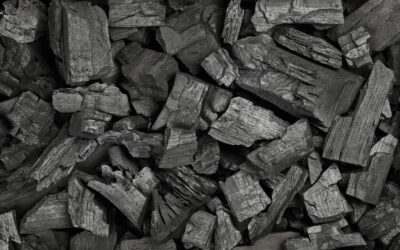
GSAD Cambodia is spearheading a high-volume, scalable, sustainability initiative through the development of a state-of-the-art biochar production facility in Prey Veng Province. By converting rice husk waste—a by-product of Cambodia’s extensive rice cultivation—into 1500 tons of high-quality biochar monthly, this project is designed to address critical environmental and agricultural challenges. The facility will be positioned to deliver substantial impact across both environmental and economic dimensions. To support financial planning and ensure smooth progress through the pre-production phase, GSAD Cambodia would appreciate consideration of a five-month advance on CORCs, which would bridge early operational costs and accelerate implementation.
By promoting circular resource use and organic soil enhancement, the initiative will significantly improve environmental stewardship while boosting agricultural productivity across the region. The project aligns with national climate and agricultural goals, offering a scalable model for sustainable development. GSAD Cambodia’s approach is deeply rooted in collaboration and community engagement. The company has built a strong reputation for working closely with local farmers, agricultural cooperatives, and government stakeholders to ensure the initiative delivers tangible benefits to rural communities. This inclusive model reinforces long-term sustainability and strengthens the project's social license to operate.
Central to the initiative is a high-capacity facility capable of producing 1,500 tons of biochar per month by processing 3,000 tons of rice husks. These husks are derived from the province’s annual output of approximately 1.5 million tons of paddy rice, which generates an estimated 450,000 tons of husk waste. By diverting this biomass from open burning—a major source of greenhouse gas emissions and air pollution—the project addresses pressing waste management and climate challenges while creating a valuable agricultural input.
The facility will be equipped with Beston BST-50s Biochar Reactor, certified under the Puro standard. Manufactured by Beston, a leading Chinese company known for its innovation and reliability in biomass processing, the BST-50s has been vetted and shown to meet key technical requirements including the ability to produce biochar with a hydrogen-to-organic carbon (H/Corg) ratio of 0.29—well below the 0.7 threshold required for carbon credit eligibility.
GSAD Cambodia’s multinational executive team brings over a century of combined experience in agribusiness, operations, human resources, finance, and sustainability. Their leadership underpins the project’s success, ensuring rigorous execution, operational excellence, and strategic alignment with both local needs and global climate objectives.
Ultimately, this initiative represents a high-impact opportunity to harness local resources, reduce environmental harm, and catalyze rural economic development. With strong community support and a clear roadmap for scale, the project is poised to deliver lasting benefits to both people and planet.
The GSAD biochar initiative in Prey Veng Province represents a strategic response to Cambodia’s pressing environmental and agricultural challenges. By converting agricultural waste into high-value biochar, the project supports sustainable farming, rural development, and climate resilience. Designed to deliver measurable benefits promoting sustainable food production systems and resilient agricultural practices, the project ensures meaningful contributions to national and global sustainability targets.
Rice husk is a major by-product of rice processing in Prey Veng and across Cambodia, with hundreds of thousands of tons generated annually. In the absence of viable alternatives, much of this biomass is disposed of through open burning—a practice that significantly contributes to greenhouse gas emissions, including methane (CH₄), carbon dioxide (CO₂), nitrous oxide (N₂O), and fine particulate matter (PM2.5). These emissions not only accelerate climate change but also degrade air quality and pose serious health risks to surrounding communities.
The GSAD facility will be specifically designed to reduce the prevalence of open burning by providing a sustainable, value-generating alternative. Through the production and application of biochar-based soil amendments, the project will reduce reliance on chemical fertilizers, enhance soil fertility, and promote regenerative agricultural practices. Biochar improves soil structure, increases nutrient retention, and enhances water-holding capacity—making crops more resilient to drought, flooding, and other climate-related stresses.
Field trials conducted by the GSAD team have demonstrated that biochar inputs can reduce input costs and increase yields for smallholder farmers, directly supporting rural incomes and economic growth. In addition to these agronomic benefits, the project will create long-term employment opportunities in biochar production, logistics, and field support, enabling families to sustain their livelihoods locally and reducing the need for economic migration.
Beyond its immediate environmental and economic benefits, the GSAD biochar initiative delivers a wide range of co-benefits. Biochar enhances soil moisture retention—critical in regions facing both drought and seasonal flooding—and supports improved microbial activity and nutrient cycling. These agronomic gains contribute to climate mitigation by sequestering atmospheric carbon dioxide in stable soil structures. Socially, the project promotes inclusive rural development through skilled and semi-skilled employment across the value chain, from biomass collection to field application. GSAD Cambodia offers a replicable model for climate-smart agriculture in Southeast Asia—demonstrating how local innovation can generate global impact.
SDGs
Sustainable development goals
Only listed sustainable development goals (SDGs) have been assessed according to the Puro standard SDG Assessment Requirements and validated and verified by a VVB.
Take urgent action to combat climate change and its impacts
Puro.earth provides the institutional-grade infrastructure and global ecosystem required to navigate an evolving industry with confidence. Through rigorous standards,…