We track the progress of a carbon removal project through our certification framework. This roadmap moves from a preliminary assessment of eligibility toward full certification under the Puro Standard.
The facility has successfully completed the preliminary assessment conducted by the Puro team, meeting the minimum criteria for listing as a future supplier on Puro.earth.
The facility has passed the third-party facility audit, verifying compliance with the methodology, as well as output audit, verifying the net volume of removed carbon. The facility has been issued CORCs and continues its removal operations, as well as monitoring and reporting to Puro.earth.
Development status
We monitor a facility’s maturity as it moves toward industrial-scale operations. This status identifies whether a project is in development, under construction, or actively removing carbon from the atmosphere.
The feasibility study is ongoing. The Supplier is still collecting data to prove the concept.
The front-end engineering and design are ready and methodology compliant. There is a clear plan to monitor and measure. The LCA is up to the needed quality level or subject to small improvements. The technology has been used before. There are commercial agreements with the relevant business partners of the facility.
The facility is fully funded and is being implemented. Relevant infrastructure is being built.
The facility is operating as a carbon removal facility.
information
More about Tellus – Plant I
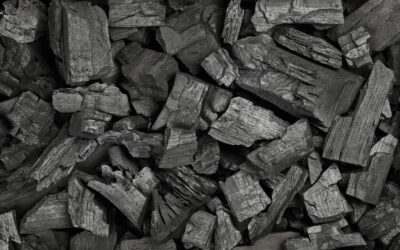
Tellus – Plant I is a carbon removal project based in Piauí, Brazil. It converts residues from the processing of Copernicia prunifera (carnauba palm) leaves into high-quality biochar. This native Brazilian palm grows wild in the region and is not associated with palm oil production. Each year, rural communities sustainably harvest its leaves to extract a fine powder from the epicuticular layer of the foliage. The extraction is performed by machines that crush the leaves and draw the powder into large collection bags. The remaining biomass, the portion not captured in the bag, is left behind as residue and typically remains on the ground. Without intervention, this material would naturally decompose, releasing greenhouse gases and contributing to climate change. Our facility has the capacity to process over 35,000 tonnes of this biomass annually through controlled pyrolysis, producing a stable form of carbon that can remain in soils for hundreds of years. The resulting biochar is expected to be applied as an organic soil amendment, enhancing soil structure, microbial activity, nutrient retention, and water holding capacity, while ensuring long-term carbon sequestration. The project supports a circular and sustainable agricultural model: it reduces reliance on imported synthetic fertilizers, enhances productivity through improved soil function, and facilitates the transition to regenerative practices. It also creates local employment and strengthens rural value chains in a vulnerable region. By embedding carbon in soil and improving fertility, Tellus delivers lasting climate and agricultural benefits. We are committed to scaling nature-based carbon removal while restoring soils across Brazil and beyond.
Co-benefits
• Soil health and food security: Biochar application improves soil structure, water retention, and nutrient availability, offering particular value to smallholder farmers by enhancing soil productivity and resilience.
• Renewable energy surplus: The pyrolysis process generates renewable energy exceeding internal demand, enabling productive use of surplus energy.
• Waste valorization: Residues (palm leaf biomass) that would otherwise decompose are upcycled into biochar, supporting circular economy principles.
• Job creation and rural development: The facility creates skilled and semi-skilled jobs in a rural area, strengthening the local bioeconomy and contributing to regional development.
• Avoided deforestation: By enhancing productivity on existing agricultural land, the project reduces the pressure for land expansion and helps preserve native ecosystems.
SDGs
Sustainable development goals
Only listed sustainable development goals (SDGs) have been assessed according to the Puro standard SDG Assessment Requirements and validated and verified by a VVB.
Take urgent action to combat climate change and its impacts
Puro.earth provides the institutional-grade infrastructure and global ecosystem required to navigate an evolving industry with confidence. Through rigorous standards,…