

Supplier Spotlight – Inside BioCirc’s BECCS Journey
BioCirc is one of the most compelling names to watch in engineered carbon removals.
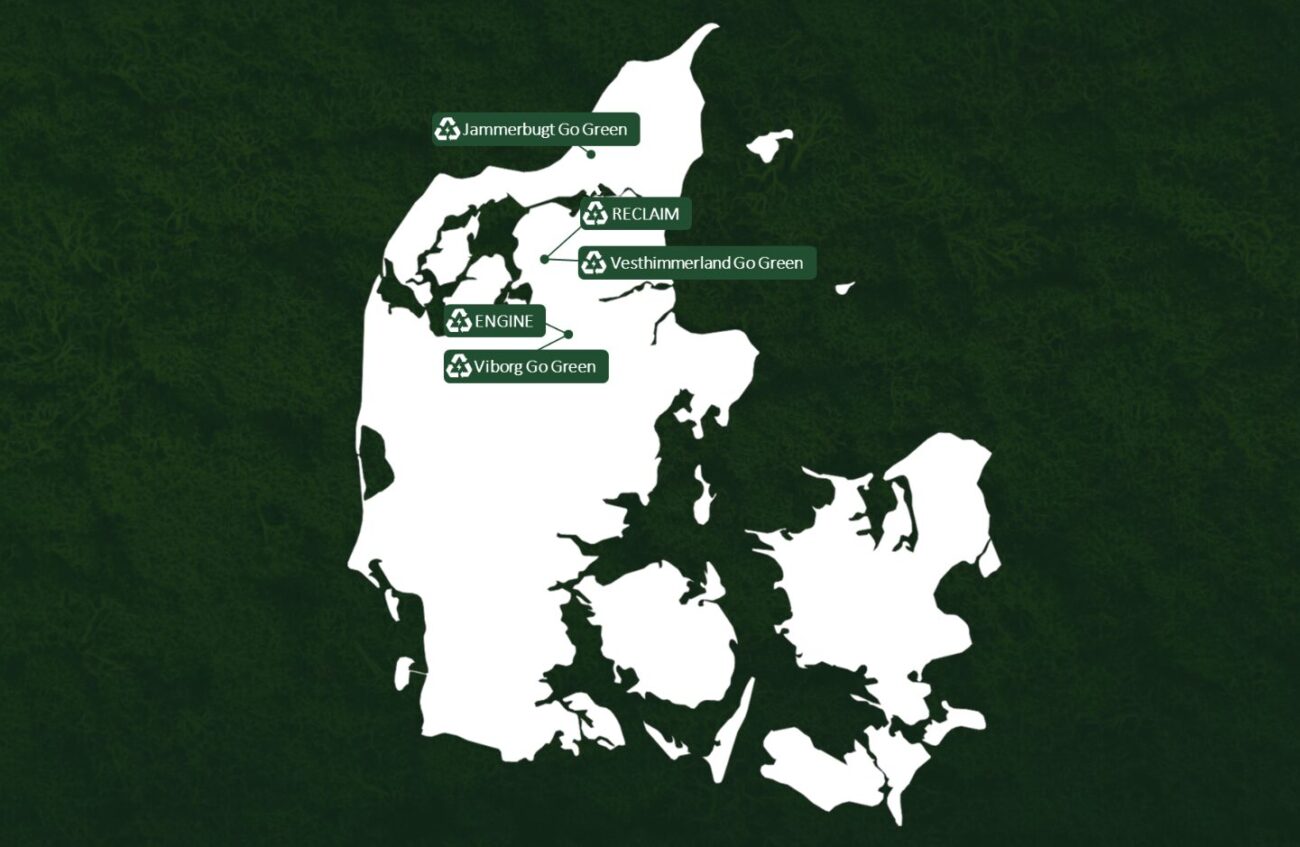
What began as a biomethane producer has grown into an integrated platform spanning green energy production and bioenergy with carbon capture and storage (BECCS) – an evolution recently underlined by a landmark offtake agreement with Microsoft for 650,000 carbon removal units and the launch of its massive Vesthimmerland plant in Northern Jutland.
We sat down with the team at BioCirc to hear more about its business, its partnership with Puro.earth as one of our suppliers, and where it sees the BECCS market heading.
BioCirc started as a biomethane producer – can you explain what the company does today, and how your thinking about your role in the energy transition has evolved?
From the outset, BioCirc has had an ambition and a core focus on maximizing CO2 abatement by leveraging the value streams from biogas. Our core vision and ambitions have not really changed over time, but we have now demonstrated that biogas is a great platform to deliver on those ambitions.
When did carbon capture and storage become part of the BioCirc story, and what made BECCS the right direction for the business?
First of all, BioCirc is grounded on the mission: ‘Create an affordable green transition today, ensuring a safer and more sustainable future’.
The implementation of CCS was a strategic development for the company, reflecting a deliberate commitment to decarbonization. CCS can be deployed at a competitive cost and implemented more rapidly than in many other industries, making it an attractive pathway for accelerating emissions reductions.
We began working on a carbon capture and storage value chain as a next step to deliver negative emissions back in 2023, with project maturation continuing in 2024 and execution really kicking off in 2025 and 2026.
When you upgrade biogas to biomethane, you already separate the biomethane and the biogenic CO2, so the ability to capture the CO2 stream was a natural next step to add to our facilities.
When BioCirc selected Puro.earth as its standard of choice for carbon removal certification, what were the deciding factors?
From the get-go, we have developed the project on the premise that we wanted to store as much CO2 as possible already in 2026, which meant that a core focus has been the ability to align intersections in the value chain within a relatively short time frame. In relation to the certifications, as well as the rest of the project, this meant that we sought solutions and partners that understood our ambitions for rapid deployment.
Biomethane is a highly regulated market, and we were already familiar with certification and audit processes ahead of our BECCS project. When comparing methodologies for permanent carbon removal, Puro.earth stood out for its exclusive focus on permanent, measurable removals. As a European player with a strong focus on alignment with existing regulations and a highly responsive approach, Puro.earth was the logical choice.
Five BioCirc projects are now listed on the Puro registry. What did that certification process look like from your side – what were the biggest challenges, and how did Puro support you through them?
Throughout the process, our goal was to increase certainty and frontload as much of the certification work as possible. We were therefore pleased that the structure and materials provided by Puro.earth for both the Preliminary Assessment and the audit were clear, helpful, and largely self-explanatory. Nevertheless, we invested significant effort in the certification process and related activities. The entire process was a high priority task at BioCirc, and we experienced a great deal of collaboration with the Puro-team.
BioCirc recently signed a deal with Microsoft for 650,000 carbon removal units over a number of years. What does that agreement mean for the business – and what does it say about where the BECCS market is heading?
The agreement is a major milestone for BioCirc and a meaningful validation of our approach to delivering durable carbon removal. For the project itself, it is of course important, as the project relies on both the DEA’s NECCS subsidy and the sale of carbon credits to be financially viable. On a more holistic level, it is important because it demonstrates that biogas is a great platform to integrate and scale production of renewable energy and carbon removals from carbon capture and storage.
Can you tell us about the launch of the Vesthimmerland plant in the Northern Jutland region? What are your ambitions with that particular project?
Celebrating the CCS-launch with a festive event end of June was indeed a very good day for us, as the launch marked the beginning of the combined value chain entering into operation. We had the opportunity to celebrate this together with valuable project partners and the local community, including the mayor, who was part of the inauguration.
In addition, The EU Innovation Fund (EUIF) has awarded BioCirc €40 million for the RECLAIM (Renewable Energy Cluster for Agro-Industrial Methanol Production) project. The project is based on BioCirc’s existing biogas facilities in Vesthimmerland, which, under the project, will be expanded and integrated with renewable energy sources to enable the production of both biogas and green fuels.
The award marks a significant milestone in BioCirc’s strategy to develop integrated, circular energy clusters and supports the green transition in Vesthimmerland. At the same time, the project will help strengthen Danish and European energy independence and security.
BioCirc has said its model could eventually be replicated across more than 1,500 biomethane production sites across Europe. What would need to be true for that to happen – and what is Puro.earth’s role in enabling that scale?
We have now demonstrated that biogas is a great platform to integrate green energy production and carbon removal through carbon capture and storage. This means that the value chain is doable and feasible. From here, it is all about route to market and demand. In relation to this, Puro.earth’s role is to help scale take-off by securing seamless integration with existing upstream markets (biomethane) and also minimizing certification process time to allow faster cash flow and enable revenue generation for projects.
Join our community of climate pioneers
Join our community of climate leaders
Receive updates from Puro.earth, along with CDR market updates and intelligence. By subscribing, you agree to Puro.earth’s privacy policy.